
Turning an unused garage into a home gym is one of the most practical ways to create a dedicated fitness space without needing a full house extension. Whether you want somewhere for weights, cardio, boxing, yoga, stretching or general training, a garage to gym conversion can help you make better use of the space you already have.
Instead of paying for a monthly gym membership, travelling after work or waiting for equipment, you can create a private workout area that is available whenever you need it. For many UK homeowners, converting a garage into a gym is also more cost-effective than building a new extension, especially if the existing garage is dry, secure and structurally sound.
In this guide, TS Direct explains how to convert a garage into a gym in the UK, what to consider before starting, how much a garage-to-gym conversion costs, and which upgrades can make the space comfortable year-round.
Why Convert A Garage Into A Gym?
A garage is often one of the most underused spaces in a property. Many garages are filled with tools, boxes, bikes and old furniture rather than being used for parking. A well-planned garage conversion into a gym can transform that wasted space into a useful room that supports your health, routine and lifestyle.
A garage gym can be used for:
- Weight training
- Cardio workouts
- Boxing and combat sports
- Yoga and Pilates
- Mobility work and stretching
- Cross training
- Personal training sessions
- Family fitness
- Rehab and low-impact exercise
- Bike, rowing machine or treadmill setups
The biggest advantage is convenience. You do not need to travel, wait for machines or fit around opening times. Your gym is at home, ready when you are.
Do You Need Planning Permission To Convert A Garage To A Gym?
In many cases, planning permission is not required if the work is internal and does not involve enlarging the building. However, rules can vary depending on the property, local restrictions and how the space will be used.
You may need to check planning permission if:
- You want to enlarge the garage
- You are changing the external appearance significantly
- You are replacing the garage door with a window or wall
- The property is listed
- The property is in a conservation area
- Permitted development rights have been removed
- The gym will be used commercially
- The conversion creates separate living accommodations
For a simple home gym where the existing structure stays mostly the same, the process is usually more straightforward. However, it is always better to check with your local planning authority before starting.
Do Building Regulations Apply To A Garage Gym Conversion?
Even if planning permission is not required, Building Regulations can still apply. This is especially relevant if the garage is being converted into a habitable room, or if you are upgrading insulation, electrics, floors, walls, windows, ventilation or fire separation.
For a proper garage-to-gym conversion, you may need to think about:
- Floor insulation
- Wall insulation
- Roof insulation
- Ventilation
- Damp proofing
- Fire safety
- Electrical safety
- Structural alterations
- Drainage if adding a water supply
- Safe access and escape routes
A basic gym setup that keeps the garage largely unchanged may be simpler. A fully finished room with plastered walls, heating, lighting and insulation is more likely to need formal compliance.
How Much Does A Garage To Gym Conversion Cost?
The cost to convert a garage to a gym depends on the size of the garage, the current condition, how finished you want it to be and whether you need insulation, electrics, heating, flooring or structural changes.
As a broad UK guide, a simple garage gym can cost much less than a full garage conversion, while a fully finished gym room will cost more because it may need insulation, lining, electrical work, heating, ventilation and high-quality flooring.
Basic Garage Gym Conversion
Approximate budget: £2,000 to £7,000
This is best for homeowners who want a practical workout space without fully converting the garage into a finished room.
This may include:
- Rubber flooring
- Basic lighting upgrades
- Wall painting
- Storage racks
- Simple ventilation
- Basic electrical improvements
- Gym equipment
Mid-Range Garage To Gym Conversion
Approximate budget: £7,000 to £15,000
This is best for homeowners who want a cleaner, warmer and more comfortable gym.
This may include:
- Floor preparation
- Rubber gym flooring
- Wall and ceiling insulation
- Internal lining or plasterboarding
- Improved lighting
- Extra sockets
- Heating
- Ventilation
- Decorating
- Storage solutions
Full Garage Conversion Into Gym
Approximate budget: £15,000 to £25,000 plus
This is best for a fully finished home gym that feels like a proper room.
This may include:
- Building Regulation-compliant conversion
- Insulated walls, floor and roof
- New windows or doors
- Heating and cooling
- Full electrical installation
- Acoustic treatment
- Premium flooring
- Built-in storage
- Mirrors
- Specialist gym equipment
- Smart lighting and audio
Your final garage to gym conversion cost will depend on whether the garage is integral, attached or detached, and how much work is needed to make it dry, warm, safe and comfortable.
What Affects The Cost To Convert A Garage To A Gym?
1. Garage Condition
A dry, structurally sound garage will cost less to convert than one with damp, cracking, poor doors, an uneven floor or roof issues.
2. Integral Or Detached Garage
An integral garage is often easier to convert because it is already part of the house. A detached garage may need more work for power, lighting, heating and insulation.
3. Insulation
A garage can be cold in winter and hot in summer. If you want to train comfortably throughout the year, insulation is one of the most important upgrades.
4. Flooring
Gym flooring needs to handle impact, sweat, weights and movement. A thin carpet or domestic laminate is not ideal for heavy training.
5. Electrics
You may need additional sockets for machines, heaters, speakers, fans, lighting, chargers and screens.
6. Ventilation
Good airflow helps control sweat, condensation and odours. This is particularly important for high-intensity workouts.
7. Equipment
A treadmill, rowing machine, rack, plates, dumbbells, cable machine and mirrors can add significantly to the budget.
Step By Step: How To Convert A Garage Into A Gym
Step 1: Clear The Space
Start by removing anything you do not need. Be realistic about storage. If the garage currently stores bikes, tools, garden equipment or seasonal items, you will need a plan for where they will go.
Before designing the gym, measure the available space and mark out the length, width, ceiling height, door positions, window positions, power points and any obstructions.
Step 2: Check The Structure
Before investing in equipment, make sure the garage is suitable. Look for damp patches, water ingress, cracks, roof leaks, uneven floors, poor ventilation, damaged doors and gaps around frames.
A garage that is damp or poorly sealed should be repaired before adding gym flooring, insulation or equipment.
Step 3: Plan The Layout
A good garage gym layout depends on how you train.
For strength training, you may need a squat rack, bench, barbell storage, weight plates, dumbbells, a deadlift area and a pull-up bar.
For cardio, you may need a treadmill, exercise bike, cross trainer, rowing machine, ski erg and clear walking space.
For mobility and stretching, allow enough floor space for mats, foam rollers, bands and lighter movement work.
Step 4: Choose The Right Gym Flooring
Flooring is one of the most important parts of a garage conversion into a gym. Standard concrete is hard, cold and unforgiving. It can also damage equipment and make training uncomfortable.
Popular flooring options include:
- Rubber gym tiles for most home gyms
- Rubber rolls for larger spaces and cleaner finishes
- Interlocking foam tiles for stretching and light workouts
- Lifting platforms for deadlifts and heavier training
For a serious gym, heavy-duty rubber flooring is usually the best choice.
Step 5: Add Insulation
If you want to convert a garage to a gym UK homeowners can use all year round, insulation matters. You may need to insulate the walls, ceiling, roof, floor, garage door, external doors and windows.
Without insulation, the gym may be too cold in winter and uncomfortable in summer. Poor insulation can also cause condensation, which may affect equipment.
Step 6: Improve Ventilation
A garage gym needs good airflow. Training creates heat, moisture and odours. Without ventilation, the room can quickly become stuffy, and condensation can build up.
Ventilation options include opening windows, wall vents, extractor fans, trickle vents, air bricks, portable fans, mechanical ventilation and dehumidifiers.
Step 7: Upgrade Lighting
Garages often have one basic light, which is rarely enough for a gym. Better lighting makes the space feel cleaner, safer and more motivating.
Consider bright LED ceiling lights, motion sensor lighting, wall lights, mirror lighting, task lighting near weights or benches, cool white lighting for training areas and warmer lighting for stretching zones.
Step 8: Think About Heating And Cooling
A home gym needs to be usable in different seasons. Depending on the level of conversion, you may consider electric panel heaters, infrared heaters, underfloor heating, portable fans, air conditioning, dehumidifiers and insulated doors.
Step 9: Install Safe Electrics
Gym equipment can place extra demands on your electrical setup. Treadmills, heaters, lighting, fans, TVs and music systems all need power.
Use a qualified electrician for any new sockets, circuits, consumer unit changes or outdoor garage power connections.
Step 10: Add Storage
A messy gym quickly becomes unsafe. Good storage keeps the space usable. Useful storage ideas include wall mounted plate holders, dumbbell racks, barbell brackets, shelving, hooks, pegboards, wall mounted bike racks, lockable cupboards and fold away benches.
Garage Gym Design Ideas
Single Garage Gym
A single garage can work well with one rack, an adjustable bench, dumbbells, wall mounted storage, a compact cardio machine and a mat area. Keep large equipment against the walls and leave enough floor space for movement.
Double Garage Gym
A double garage can be split into different training zones, such as strength training, cardio, stretching, storage and functional training. This gives more flexibility and allows more than one person to train at once.
Half Garage Gym
If you still need storage, split the space. Use one half for tools and bikes, and the other for gym equipment. A partition or shelving wall can make it feel organised.
Detached Garage Gym
A detached garage gym can be a brilliant private training space, but it usually needs more attention to electrics, insulation, heating and security.
Can You Convert A Prefab Garage Into A Gym?
Yes, in many cases you can convert a prefab garage into a gym, but it depends on the structure, roof, ventilation, damp protection and available power.
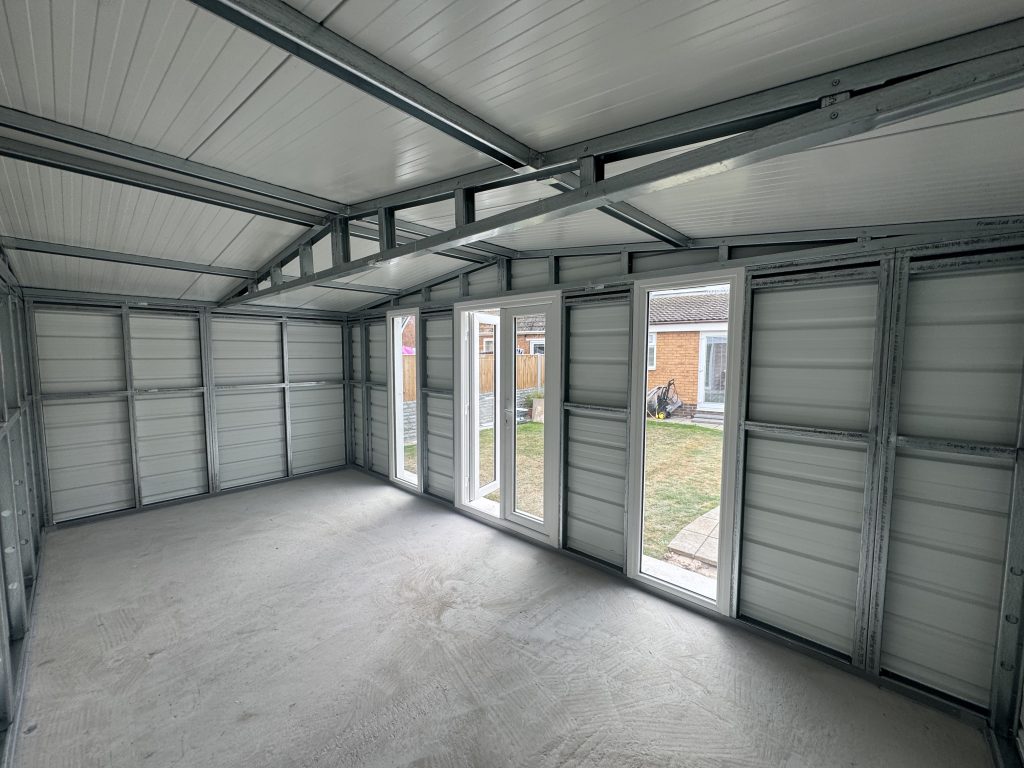
A prefab concrete garage can be suitable for gym use if it has a sound concrete base, good roof condition, secure doors, ventilation, insulation options, suitable flooring, safe electrics and enough internal height.
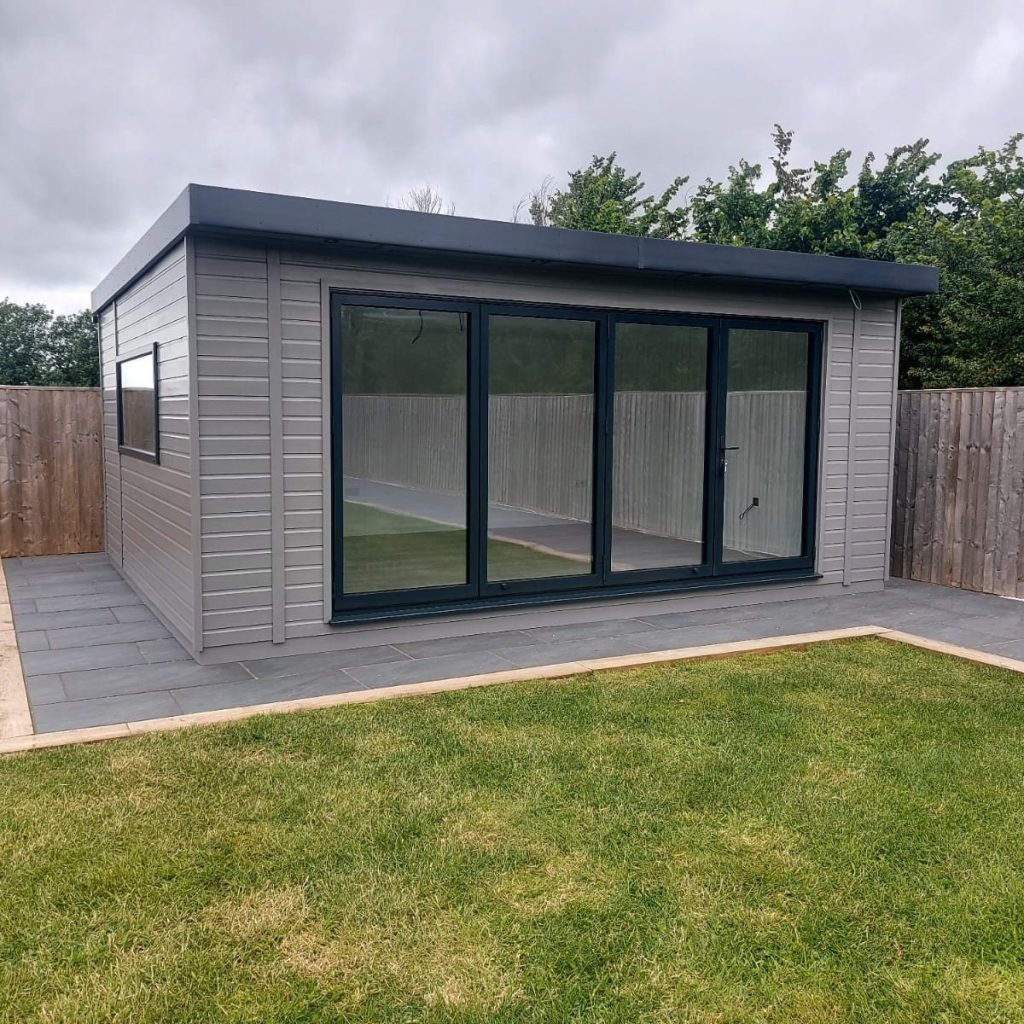
If your existing garage is old, damp or poorly insulated, it may be better to upgrade the structure or replace it with a modern garage, workshop or insulated building designed for year-round use.
Common Mistakes When Converting A Garage Into A Gym
- Choosing cheap flooring: Thin foam mats can move, split and fail under heavy weights.
- Forgetting ventilation: Sweat, moisture and cold surfaces can cause condensation and odours.
- Ignoring insulation: An uninsulated garage can become too cold to use consistently.
- Not checking the roof: Leaks can damage flooring, equipment and electrics.
- Overfilling the space: Leave room to move safely around equipment.
- Not planning storage: Weights, bands and accessories need dedicated storage.
- Underestimating electrics: Cardio machines, heaters and lighting need safe power.
- Failing to check rules: Planning permission may not be needed, but Building Regulations or estate restrictions may still apply.
Garage To Gym Conversion Checklist
- Is the garage dry and structurally sound?
- Is planning permission needed?
- Do Building Regulations apply?
- Is the floor level?
- Is the roof watertight?
- Is there enough head height?
- Is the space warm enough?
- Do you need insulation?
- Do you need extra sockets?
- Is ventilation adequate?
- What flooring is suitable?
- Where will the equipment go?
- Do you still need storage?
- Do you need heating or cooling?
- How much will the equipment cost?
- Is the garage secure?
TS Direct: Garages, Workshops, and Garden Buildings Built Around Your Needs
At TS Direct, we understand that garages are no longer used for parking alone. Many homeowners now want flexible buildings that work as home gyms, workshops, garden offices, storage spaces and hobby rooms.
If your current garage is not suitable for conversion, we can help you explore a better option, including:
- Concrete garages
- Prefabricated garages
- Concrete workshops
- Insulated buildings
- Garden buildings
- Concrete bases
- Garage removals
- Steel buildings
Whether you want to convert an existing garage into a gym or start again with a stronger, more suitable structure, our team can help you choose the right route.
Final Thoughts: Should You Convert Your Garage To A Gym?
A garage to gym conversion can be one of the most useful home upgrades if it is planned properly. The key is to create a space that is dry, safe, well ventilated, properly lit and comfortable enough to use throughout the year.
For a basic setup, you may only need flooring, lighting and equipment. For a high-quality garage gym, you may need insulation, ventilation, electrics, heating, storage and structural improvements.
If your garage is outdated, damp or unsuitable, it may be worth considering a new garage, workshop or insulated outbuilding built around gym use from the start.
Ready to plan your garage gym or upgrade your existing garage? Contact TS Direct today for advice, options and a free quote.
FAQs About Garage To Gym Conversions
How Much Does A Garage To Gym Conversion Cost In The UK?
A basic garage gym can cost from around £2,000 to £7,000, while a more complete conversion with insulation, electrics, flooring and heating can cost £7,000 to £25,000 plus. The final cost depends on the garage condition, equipment, insulation, flooring and finish level.
Do I Need Planning Permission To Convert A Garage Into A Gym?
Planning permission is not usually needed if the work is internal and does not enlarge the building, but there are exceptions. Check with your local authority if your property is listed, in a conservation area, has restrictions, or if the external appearance will change.
Do Building Regulations Apply To A Garage Gym Conversion?
They can apply, especially if the garage is being converted into a habitable room or if you are upgrading insulation, electrics, windows, walls, roof or fire safety. Always check before starting major work.
Can I Convert A Detached Garage Into A Gym?
Yes, a detached garage can be converted into a gym, but it may need more attention to power, lighting, heating, insulation, ventilation and security than an integral garage.
What Flooring Is Best For A Garage Gym?
Heavy duty rubber gym flooring is usually best for a garage gym. Rubber tiles or rolls help protect the floor, reduce noise and make training safer. If you lift heavy weights, consider a proper lifting platform.
Does A Garage Gym Need Insulation?
If you want to use the gym all year round, insulation is strongly recommended. Insulating the walls, roof and floor can make the space warmer, reduce condensation and protect gym equipment.
How Do I Stop Condensation In A Garage Gym?
Good ventilation is essential. Use vents, opening windows, extractor fans or a dehumidifier. Insulation and proper flooring can also help reduce cold surfaces where condensation forms.
Can I Put Heavy Weights In A Garage Gym?
Yes, but you need suitable flooring and a strong, level base. For heavy lifting, use thick rubber mats or a lifting platform to protect the floor and equipment.
Is It Cheaper To Convert A Garage Than Build An Extension?
Usually, yes. A garage conversion is often cheaper than a full extension because the structure already exists. Costs will depend on how much repair, insulation, electrical work and finishing is required.
Can TS Direct Help If My Current Garage Is Not Suitable?
Yes. TS Direct can advise on replacement garages, concrete workshops, insulated buildings, concrete bases and garage removals if your existing garage is too old, damp or unsuitable for gym use.

